The wine
Words on Burgundy
By Jason Haynes, Flint Wines, London
Burgundy is, arguably, the most exhilarating wine region in the world.
Nestling halfway down into France, slightly east of centre, it’s basically a 20-mile-long series of villages set amongst a gentle hillside that runs north to south with vineyards generally exposed south-east or south-west. At its touristic epicentre is the beautiful and very dynamic town of Beaune. To the south lies the Côte de Beaune with a strong focus on Chardonnay and known for renowned villages such as Meursault and Puligny Montrachet. To the north is the Côte de Nuits, the home of Pinot Noir, where villages such as Gevrey Chambertin and Nuits St Georges are famed throughout the world.
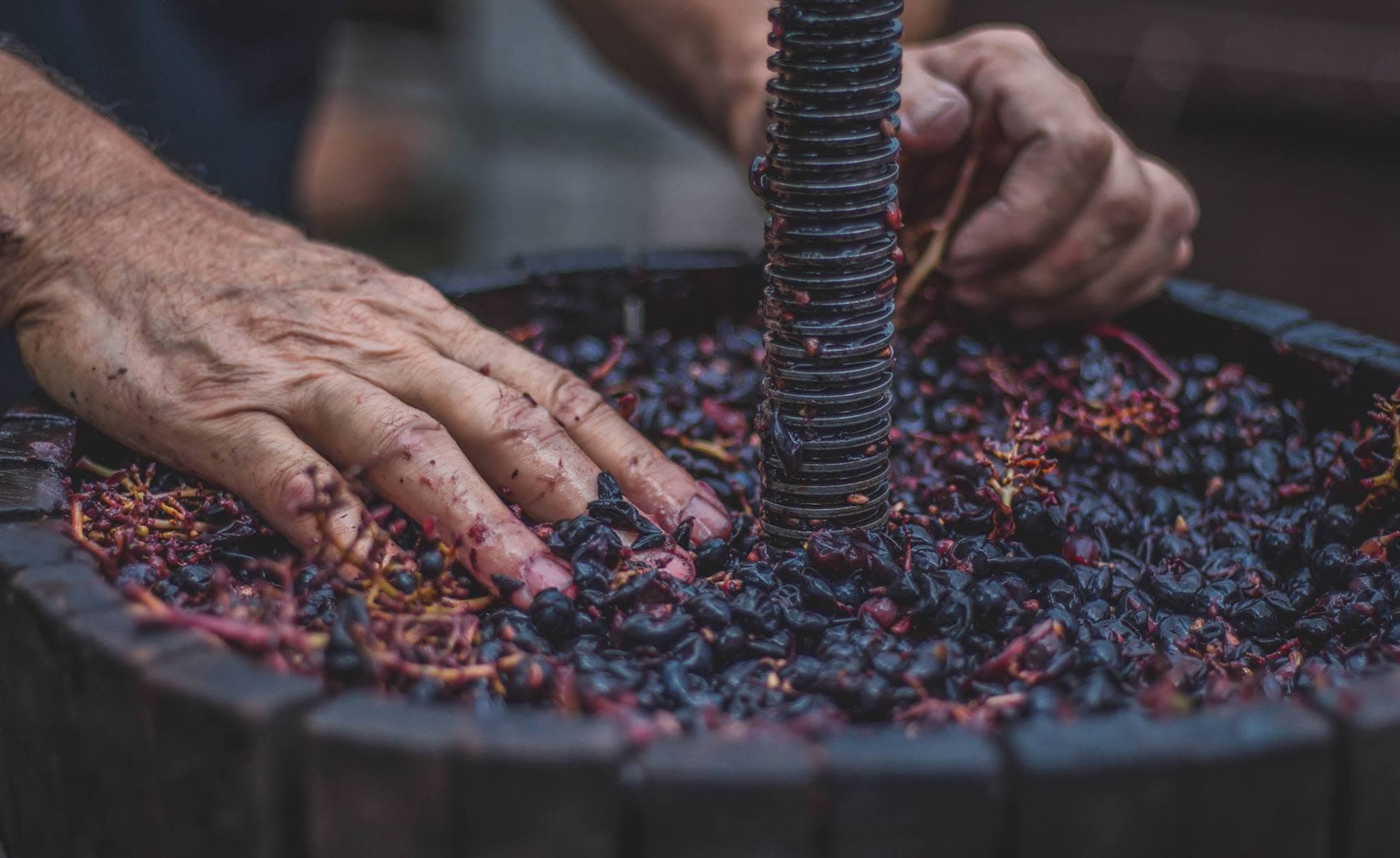
Every village has its own set of vineyards. The largest category consists of what is known as generic wine, Bourgogne Blancs and Bourgogne Rouges. These tends to be situated on the lower or flatter parts of the villages, where the soil is a little heavier. Above these, specifically qualitatively but often geographically, too, are village wines, that, quite simply are named after the village to which the vineyard from which they are made are attached.
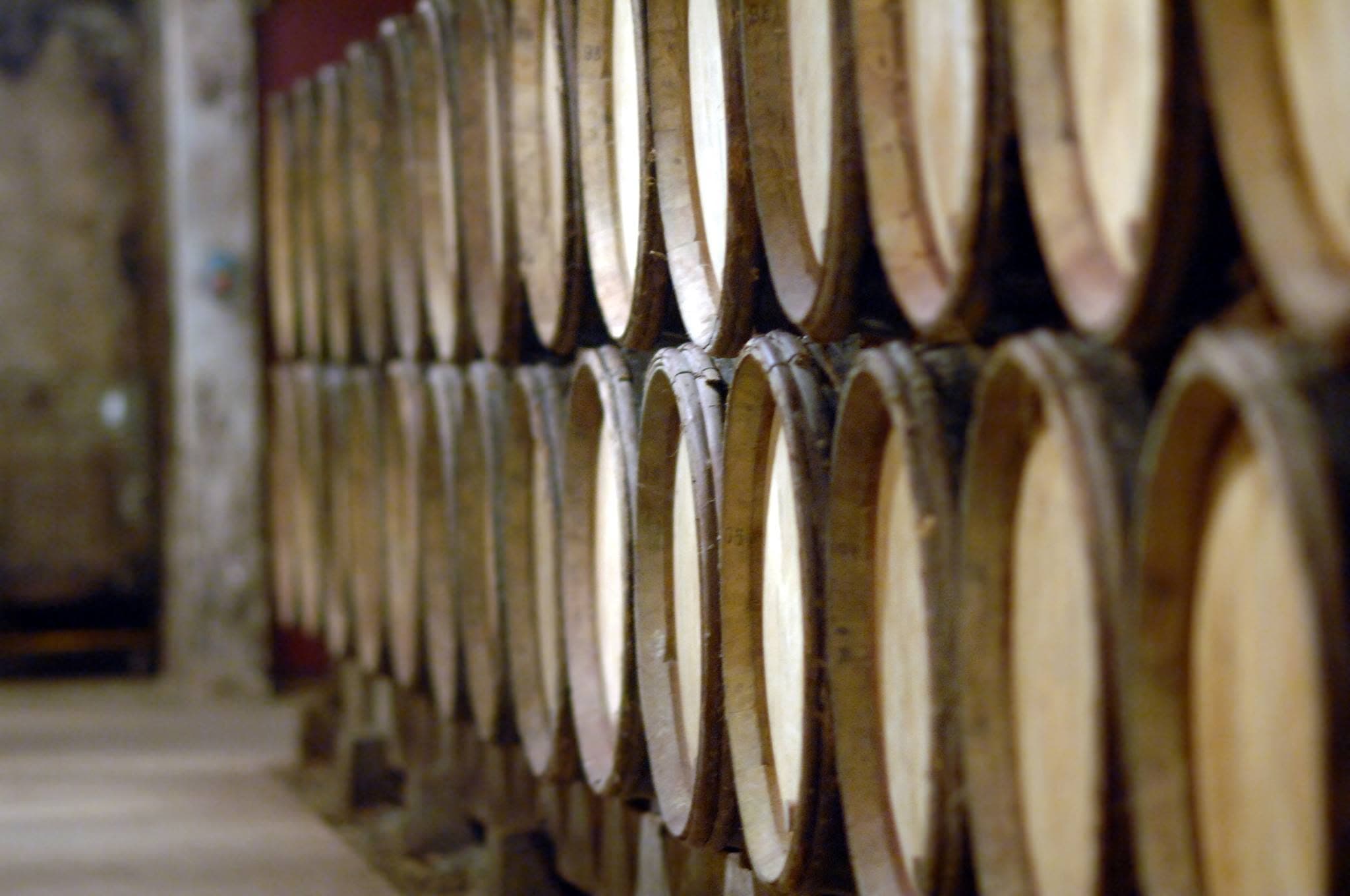
The next level features wines that come from vineyards classified officially as 1ers Crus. Often, made in tiny volumes from a small parcel within the named vineyard, they are bottled separately to allow them to carry the name of the vineyard on their label. And then, finally, there are a handful of Grands Crus, which carry an enviable, often genuinely iconic reputation and are very much seen as the unicorns of Burgundy, accounting for only 2% of the total vineyard surface of the region. These vineyards tend to sit in the sweet spot of the slope where the soil is at its most complex and the vineyards are perfectly exposed. Some wines from these prized plots are made in unimaginably small volumes, as little as feuillette (a cute mini barrel) that ages the equivalent of just 150 bottles. That is mind blowing. 150 bottles for the whole world. For collectors, these true gems are like rare recordings on vinyl where perhaps only 100 copies were ever pressed, but you have to have one, to taste one.
Each village has several different growers, each with different vineyards, often in the same village (an historical legacy from farming the land close to your house) but increasingly from a range of villages. Growers vary in quality, both in their work in the vineyards and their skill in the winery. One vineyard may have 10 different growers, each with as little as 2 or 3 rows of vines, each working in their own way, and producing wines of different styles and quality. People often talk about the influence of terroir, loosely translated as the make-up of the soil and the surrounding microclimate, but the beauty and nuance of terroir can either be enhanced or nullified by the quality of the grower. For example, some great growers’ generic wines might be more impressive than lesser growers’ 1ers or even Grands Crus. And we haven’t even talked about vintage variation yet!
Thus, to really get to know Burgundy inside out and understand every village, every vineyard and every vigneron can be a lifetime’s project. But what a project to embark upon.
And, what better way to begin this journey, than joining fellow Burgundy lovers during the Beef and Burgundy week at Raynham.
Jason Haynes, Flint Wines

Taste it at The Copse
Eight evenings of open-fire dining at The Copse, Raynham Estate, 13 to 20 August 2026. £65 per person, paid on the night, with the Burgundy chosen by Flint Wines poured alongside the beef.
Every evening is now fully booked this year. Any questions, email info@smithsonionnorfolk.co.uk.